

Follow My Tweets
Tweets by hapboym-
Recent Posts
- Thank You, Steve Albini
- Thank You, Bill Holman
- Must-See Three (+1): Jazz in NYC This Week
- Thank You, Frank Wakefield
- 3 + 3 = Quite A Fun Ride
- Happy Half-Century For R&L Thompson’s ‘Bright Lights’
- Thank You, Duane Eddy
- Far Flung Folk, WRIU, April 24, 2024
- Singing and Playing With She and Them
- 60 Years of the First Stones Album
In The Clouds
ahmad jamal beach boys ben allison beyonce Bill Frisell blue note bob dylan bruce springsteen country music dave douglas diana krall drums duke ellington ECM elvis costello ethan iverson flying lotus folk music Henry Threadgill hip-hop improvisation jason moran jay-z jazz jazz standard jd allen jim hall Jim Macnie joe lovano joe morris john coltrane john hebert Joshua Redman kanye west marc ribot mark cutler marty ehrlich mary halvorson matt wilson michael hurley Miles Davis morning/night mostly other people do the killing music nels cline newport jazz festival npr nrbq NYC NYC jazz ornette coleman orrin evans Peter Stampfel piano randy newman Richard Thompson saxophone sonny rollins soundcloud spotify steve coleman Steven Bernstein sun ra the bad plus thelonious monk tim berne tom waits tyshawn sorey video vijay iyer village vanguard VMAs wilco wynton marsalis XTCBlogroll
- Ammar Kalia
- Ann Powers
- Ben Ratliff
- Beta Blog
- Brazil Beat
- Burning Ambulance
- Chris Molanphy
- Chuck Eddy
- Clean Feed
- Darcy James Argue's Secret Society
- Dark Forces Swing Blind Punches
- David Greenberger
- Destination Out
- Do The Math
- DownBeat
- Fader Music
- Greenleaf Music
- Hank Shteamer
- Jazz Beyond Jazz
- Jazz Chronicles
- Jazz.com
- JazzBlog
- JazzTruth
- Jim Macnie Tumblr
- Kevin Whitehead
- let's cool one
- Listen Good
- Martin Johnson
- New York City Jazz Record
- New York's Vulture Blog
- New Yorker Culture
- Night After Night
- NPR: A Blog Supreme
- NYC Jazz Record
- Peter Margasak
- Point Of Departure
- Point of Departure
- Pop & Hiss
- Pop Matters
- PopDose
- Post No Bills
- Rifftides
- Robert Christgau
- Running The Voodoo Down
- Slate – Music
- Soul Sides
- Sound of the City
- Spin
- Squally Showers
- Stereogum
- Ted Gioia
- The Famous Door
- The Gig
- Today Is The Question
- Tom Hull
- Tom Moon
- WBGO – Take 5
- WBGO – The Checkout
- Will Layman
- WordPress.com
- WordPress.org
- Zach Baron
Top Clicks
- None
Must-See Three (+1): Jazz in NYC This Week

Michaël Attias Nublu Thursday, May 9
“Music can be many things at different times. Here it is an art of collage and folding, sound upon sound, pulse against pulse, a gathering of LuMinous intensities of Song.” The alto saxophonist knows how to describe his work, in particular the work of his foursome of pianist Santiago Leibson, bassist Matt Pavolka, and drummer Mark Ferber on their new LuMiSong album. I’ve been watching the vinyl go round and round in last two weeks, and the swirling motifs stack up with the kind of eloquence that pulls you deeper into the action with each spin. A dedication to inflection helps this process. So does a give and take movement that finds the individual musicians disappearing and a branded group persona rising forth. Guess I’m a “sound upon sound” guy. Or at least I am when they stack it as cleverly as they do in “Mister Softee Is a Front.”

James Carney Quartet The Django Wednesday, May 8
I dig Carney the pianist – a wealth of facility usually helps him turn knotty notions into informal musings (on something like “Williwaw,” say). But I think I dig Carney the bandleader/composer a tad more. Every time he hits the stand, he’s got two or three new tunes in his pocket, and a slightly amended ensemble construct. Those original pieces are often elliptical and engaging; Carney likes his squads to have something meaty to chew on. And invariably those bands are ready for the job at hand. From Ravi to Rainey, his cohorts lean forward on the hunt for a tune’s inner secrets. Bassist Drew Gress, drummer Mark Ferber and saxophonist Michaël Attias helps this cool foursome stir things up tonight.

Mike McGinnis’ Road*Trip Drom Tuesday, May 7
The clarinetist-composer’s tentet will be reppin’ the recent Outing (Sunnyside), a fetching maze of constructions that manages to tip the hat to McGinnis hero Bill Smith (and essay his far-reaching “Transformations”) while still leaving plenty of room for MM to dazzle listeners with some of his own kaleidoscopic capers. Swing is everywhere in the program, and the crafty arrangements save plenty of room for soloists such as Jacob Sacks and Brian Drye to glide through lofty environs.
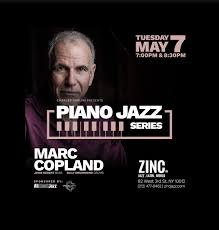
Marc Copland Trio Zinc Bar Tuesday, May 7
Few jazz pianists have mastered the balance between dreamy and driving, but Copland’s mix of touch and temperament moves him near the top of the class. Even his most exploratory reflections – a strong suit for sure – have a fetching oomph. When he unites with a pliable and prescient rhythm section like bassist John Hébert and drummer Billy Drummond, those reveries will enjoy some true kinetics.

OTHER ITEMS OF INTEREST
Noa Fort / Mat Maneri iBeam Saturday, May 11
Michael Bates’ Northern Spy (Blake/Deutsch/Sarin) Dutch Kills Bar Sunday, May 12
James Francies/Larry Grenadier/Jeremy Dutton Blue Note Monday, May 13
Tim Berne (Smith, Seabrook, Hébert) Lowlands Thursday, May 9
James Carney Quartet The Django Wednesday, May 8
Christian McBride & Ursa Major Blue Note Tuesday, May 7 – Sunday, May 12
Marc Ribot Quartet LunÀtico Sunday, May 12
Uri Gurvich Residency The Stone May, 8 – Saturday, May 11
Coolman/King, Mintz Smalls Friday, May 10
Arthur Kell Quartet Bar Bayeux Wednesday, May 8
Michael Blake Intercontinental Barclay Thursday, May 9
Kazuki Takemura (Matt Wilson, Caleb Wheeler, Santiago Leibson) Ornithology Weds, May 8
Peter Watrous Bar Bayeux Friday, May 7
Spike Willner Trio Mezzrow Monday, May 6
Adam Birnbaum’s Preludes Trio Jazz Gallery Thursday, May 9
Bill Charlap Trio Birdland Tuesday, May 7 – Sat, May 11
Instrumental Underground iBeam Tuesday, May 7
Brandon Seabrook String Society LunÀtico Monday, May 13
Celebrating Marshall Allen’s 100th Birthday Nublu Friday, May 10
Patrick Brennan, Paul Austerlitz, de Brunner, Gianni, Heberer, Naphtali, Newsome Downtown Music Gallery Tuesday, May 7
Barth/Schuller/Kolker/Stratten Bar Bayeux Thursday, May 9
Elias Stemeseder Trio SEEDS Wednesday, May 8 – Thursday, May 9
Kevin Sun Trio + Lowlands Tuesday, May 7
Slavic Soul Party Barbès Tuesday, May 7
The EarRegulars Ear Inn Sunday, May 12
Donny McCaslin Village Vanguard Tuesday, May 7 – Sunday, May 12
Joe Fonda’s From The Source iBeam Wednesday, May 8
Jamie Baum Septet Drom Tuesday, May 7
Bill Saxton & the Harlem All-Stars Bill’s Place Friday, May 10 – Saturday, May 11
Oscar Noriega’s Crooked Quartet Barbès Friday, May 10
Birthday Tribute to Benny Golson Smoke Wednesday, May 8 – Sunday, May 12
Luke Stewart Silt Trio Sisters Tuesday, May 14
Eivind Opsvik’s Two Miles A Day Barbès Tuesday, May 14
Stephan Crump Jazz Gallery Wednesday, May 15
Posted in Uncategorized
Happy Half-Century For R&L Thompson’s ‘Bright Lights’
Bought mine at Montreal’s A and A Records the week it came out. Took a few days to grok that the cover was backwards-written on steamed-up window.

Posted in Uncategorized
Far Flung Folk, WRIU, April 24, 2024
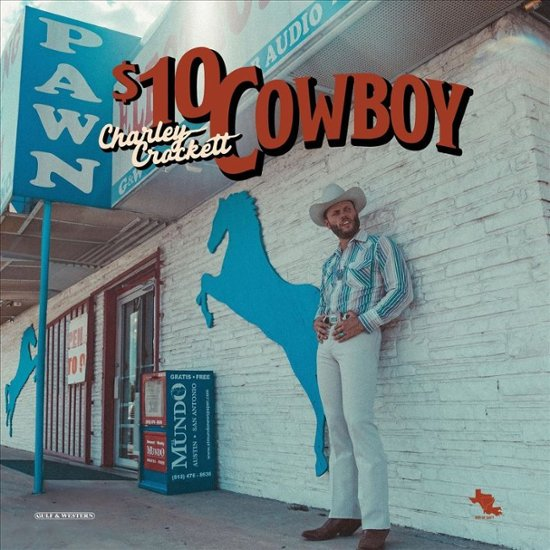
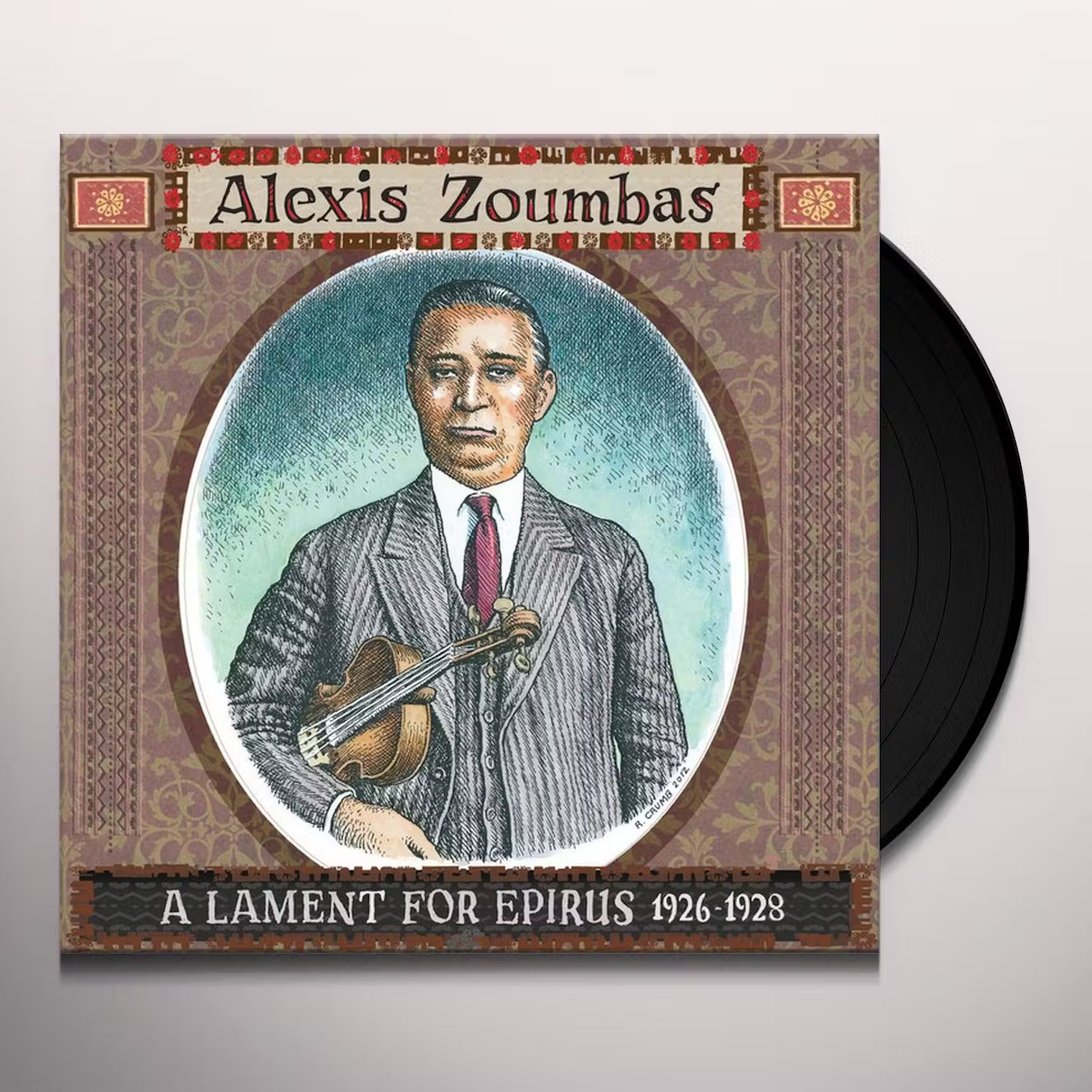
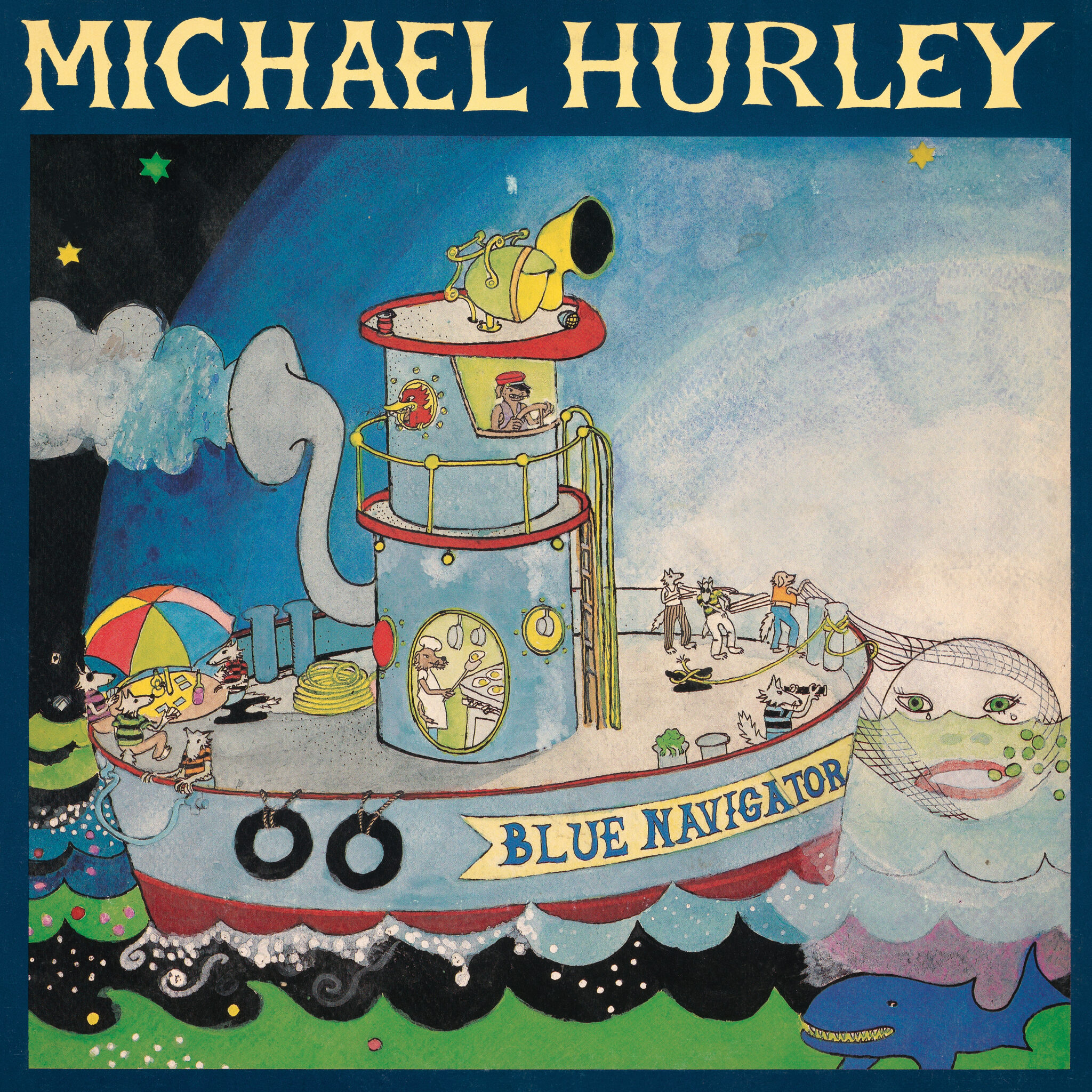
MADE A TITLING MISTAKE ON AIR, AND SAID CHARLEY CROCKETT’S ALBUM WAS CALLED ‘SOLITARY ROAD.’ THAT AIN’T TRUE. SEE ABOVE (album is out today, btw). APOLOGIES. OTHERWISE YOU WILL HEAR…Brothers Ivan, Kate & Anna McGarrigle, Alexis Zoumbas, the Beatles, Leyla McCalla, Darin and Brooke Aldridge, Lee Hazelwood, Judy Henske, Valerie June, Terry Adams, Tuvan throat singers, Pat Mitchell, Ali Khattab, Davey Graham, Cass McCombs, Silly Sisters, Segundo Castro, Ricky Skaggs, and a segment dedicated to the music of Michael Hurley, who’s currently wrapping up his first East Coast tour in six years. and lots more…
Posted in Uncategorized
 Lament For A Straight Line